Best Contact Lens Options for First-Time Users
Trying contact lenses for the first time is a small decision with a surprisingly big learning curve. The product itself may seem simple enough, a thin clear lens that sits on the eye and sharpens vision. The experience, however, involves more than vision correction. It touches comfort, hygiene, schedule, budget, and how much patience someone has for a new routine in the morning and evening.
For many people, the first question is not which brand is best, optometrist reviews but which type of lens is least frustrating to live with. That is a smart way to approach it. First time contact lenses should make life easier, not add stress. The best choice depends on whether your eyes are dry, how often you want to replace the lenses, how much guidance you need, and how confident you feel about insertion and removal. A thoughtful contact lens consultation can narrow the field quickly, because the right starting point is rarely the same for every patient.
If you are exploring contact lenses in Brea or anywhere else, it helps to understand the practical differences before you make a purchase. The most comfortable lens on paper may not be the easiest one for a beginner. The cheapest option may not be the most forgiving if you forget a cleaning step. And the lens that works beautifully for a friend may not suit your eyes at all. That is where a mix of honest expectations and good professional fitting matters.
What first-time users usually need most
New contact lens wearers often think comfort is the only thing that matters, but that is only part of the story. The early weeks are usually about building confidence. A lens that is slightly more expensive but easier to manage can be a better starter lens than a cheaper alternative that creates confusion every night. I have seen new wearers do better with a lens they can replace often, even if the monthly cost is a little higher, because they are less anxious about cleaning and storage.
There are really four things to weigh at the start. Comfort matters, especially if your eyes already feel dry by afternoon. Ease of handling matters, because tiny flexible lenses can be tricky the first few times. Replacement schedule matters, because daily lenses and monthly lenses come with very different routines. Finally, your eye health matters most of all. A lens that looks fine in a package insert may still be a poor match if your corneas, tear film, or prescription create a fit issue.
The first fitting is also where people learn that contact lens success is not just about the prescription. Base curve, diameter, lens material, and moisture technology all affect how a lens feels. Beginners usually do best when these variables are chosen with care rather than guessed at.
Daily disposables are often the easiest place to begin
For many first time contact lenses users, daily disposable lenses are the most forgiving option. You wear a fresh pair each day, then throw them away at night. There is no case to scrub, no solution bottle to keep track of, and no risk of accidentally reusing a lens that has been in the wrong place too long. That simplicity matters more than people expect.
Daily lenses are especially useful if you only want contacts occasionally, such as for weekends, travel, sports, or social events. They also tend to suit people who are nervous about cleaning routines, because there is less opportunity to make a mistake. If you wake up late and forget a step, there is no overnight storage issue to worry about. The next day starts fresh.
Another advantage is that daily lenses reduce buildup from protein, debris, and environmental residue. Some people with mild dryness find that a fresh lens each day feels better than a lens that has been worn repeatedly. That does not mean dailies solve every comfort problem, but they often lower the chance of irritation from lens care errors.
The trade-off is cost. Daily lenses are usually more expensive over time than reusable lenses, especially for full-time wear. If someone plans to wear contacts every day, cost can become a real factor. Still, for beginners, the convenience and hygiene often make them worth considering first.
Two-week and monthly lenses can work well, but they demand discipline
Reusable lenses, including two-week and monthly options, are still excellent products when matched correctly to the wearer. They are often chosen by people who want a lower ongoing cost or have a prescription and eye shape that responds well to a particular lens design. For a motivated beginner, they can be very practical.
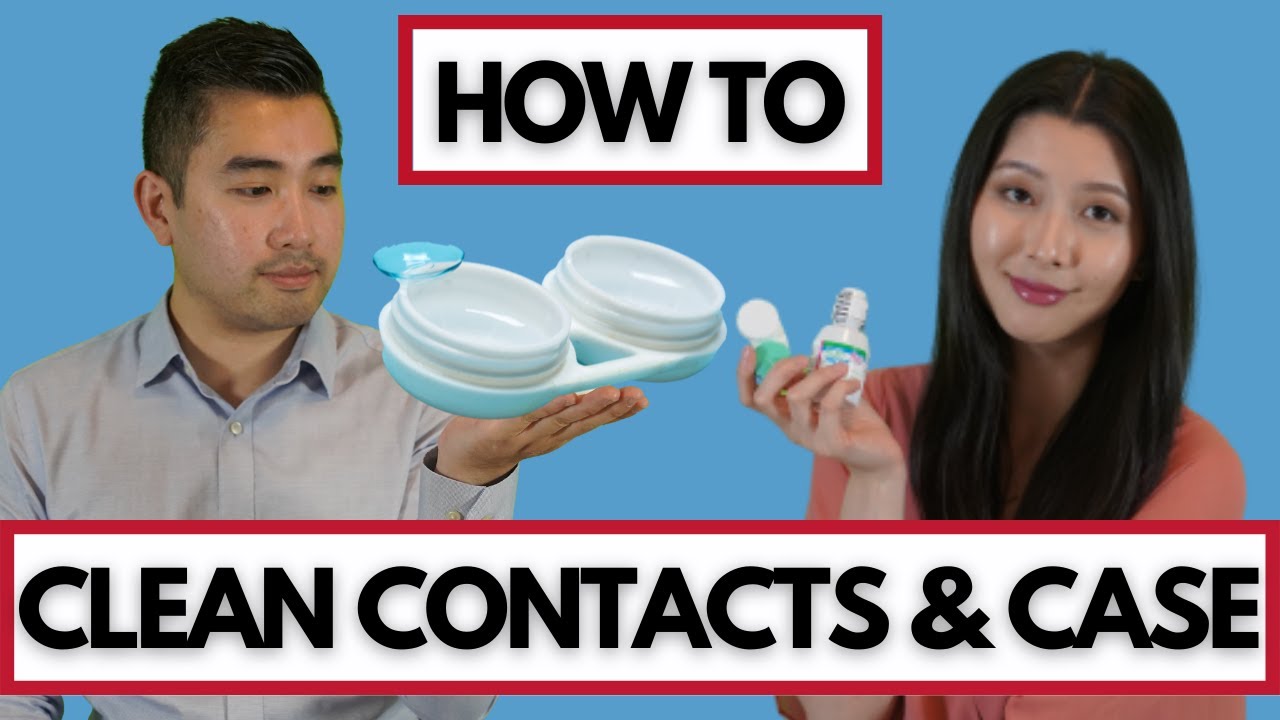
The main difference is responsibility. Reusable lenses need a cleaning and storage routine that is followed consistently. That means washing hands thoroughly, using the correct solution, rubbing and rinsing when required, and replacing the case regularly. Skipping even one step here and there can lead to discomfort or a higher chance of irritation. Beginners sometimes underestimate how easy it is to get casual after a long day, which is exactly when mistakes happen.
Two-week lenses are often a middle ground. They may feel easier to manage than monthly lenses because the replacement cycle is shorter, so there is less buildup over time. Monthly lenses can be cost-effective, but they require the wearer to stay organized. If someone already knows they are forgetful, a daily lens may be the better training wheel.
A contact lens consultation is valuable here because a clinician can look at your tear film, vision needs, and daily habits before recommending a reusable design. That small investment of time can prevent weeks of frustration.
Silicone hydrogel and why material matters
Beginners often ask which brand is most comfortable, but lens material matters just as much as brand name. Silicone hydrogel lenses are commonly recommended because they allow more oxygen to reach the cornea than older hydrogel materials. That improved breathability can be helpful for people who wear lenses for many hours a day.
More oxygen transmission does not automatically mean the lens feels better on every eye, but it often supports healthier wear over longer periods. If someone expects to wear lenses through a full workday, then keep them on for an evening out, a breathable material is worth discussing. It is particularly relevant for first time users who are worried that lenses will feel “stuffy” or heavy.
That said, comfort is not only about oxygen. Surface wetting, movement on the eye, and the quality of the tear film all play a role. Some lenses are engineered with moisture-rich surfaces that feel better at the end of the day. Others have stiffer handling characteristics that make insertion easier for beginners. A lens can be breathable and still be a poor starter lens if it is too difficult to handle or does not fit the eye well.
Toric lenses for astigmatism need extra attention
If you have astigmatism, your options are still very good, but the fitting becomes more specialized. Toric contact lenses are designed to correct astigmatism by staying oriented in a stable position on the eye. For beginners, this means the lens has to do two jobs at once, correct vision and stay lined up correctly.
Some new wearers with astigmatism are surprised by how much improvement they can get from a properly fitted toric lens. Others need a few adjustments before the vision feels crisp enough. That is normal. Toric lenses have rotational stability concerns that spherical lenses do not, so the first trial is sometimes only the starting point.
This is one area where experience matters. A contact lens consultation can reveal whether the prescription, fit, and visual performance are all working together. If the lens rotates even a little too much, vision can blur or fluctuate through the day. A beginner may assume contact lenses are simply not for them, when in fact the issue is just a fit refinement.
For many first time contact lenses users with astigmatism, the best approach is patience and follow-up. A good fit can make all the difference between a lens that feels frustrating and one that feels invisible.
Multifocal lenses are helpful for some, but not usually the first pick
People over 40 often ask whether they should start with multifocal contact lenses right away. Sometimes the answer is yes, especially if reading glasses are already part of daily life and the wearer is motivated to reduce dependence on them. But multifocal lenses can take time to adapt to because they blend multiple powers into one lens. Your brain has to adjust to how distance and near focus are shared.
That learning curve is manageable, but it is not always the easiest introduction to contacts. Some beginners do better starting with a simpler lens design and then moving to a multifocal later if needed. Others are comfortable adapting from the start, especially if the main goal is convenience rather than perfect near and distance vision in every situation.
The key point is that multifocals are not automatically the right first step just because they sound versatile. A beginning wearer should think about whether they can tolerate a little visual compromise during adaptation. That is a fair trade for some people, but not for everyone.
What to expect during the first fitting
A proper fitting is not just a prescription check. The clinician will usually examine your eyes, measure corneal shape, ask about dryness, and discuss your routine. In many cases, you will try on a lens during the visit and then be checked again after it settles on the eye. That allows the clinician to see whether the lens moves appropriately and whether vision is clear at different distances.
The fitting process may also include a short training session on insertion and removal. This part can feel awkward at first, and that is normal. Almost everyone blinks too much, flinches, or hesitates the first few times. The eye is sensitive, and the mind is protective. A good instructor will walk you through it calmly and give you room to practice.
A first-time wearer should ask about how the lens should feel. A lens should not be painful. Mild awareness at first is common, especially if you are not used to touching your eyes, but sharp irritation, persistent redness, or blurry vision should not be ignored. The fitting visit is the right time to speak up about anything that feels off.
A few practical habits that make the learning curve easier
Good contact lens habits are less about perfection and more about consistency. Hand washing before handling lenses matters every single time. Clean, dry hands reduce the chance of transferring oils or debris to the lens. Using the right solution, if your lenses require one, matters just as much as remembering to replace the lenses on schedule.
It also helps to build insertion and removal into a calm part of the day. Rushing through the process when you are already late almost guarantees frustration. Many first time contact lenses users do better practicing in the evening when there is time to make mistakes without pressure. By the third or fourth session, most people get noticeably faster.
Here are the habits that tend to make the biggest difference for beginners:
- Wash and dry your hands before every insertion and removal.
- Follow the replacement schedule exactly, even if the lenses still seem fine.
- Keep your case and solution clean if you wear reusable lenses.
- Stop wearing the lenses and call your eye care provider if you develop pain, redness, or unusual sensitivity to light.
- Bring your questions to follow-up visits, even if they seem minor.
The list is short because the essentials are simple. The challenge is not understanding them. The challenge is remembering them when life gets busy.
Dry eyes, screen time, and real-life comfort
Many first-time wearers worry that contact lenses will make dry eyes worse. That concern is understandable, especially if you spend long hours on a computer or in air-conditioned spaces. Screen use tends to reduce blink rate, and less frequent blinking can make lenses feel drier by the end of the day.
For some people, daily disposables and moisture-focused lens materials help a lot. For others, the issue is not the lens alone, but the environment and habits around it. Hydration, regular blinking, taking visual breaks, and managing indoor air can all help. Sometimes the solution is as simple as wearing lenses for fewer hours at first, then increasing wear time gradually.
It is worth being realistic here. Not every eye will love every lens. A beginner who feels good for six hours but uncomfortable at ten hours is still learning something useful. That information helps the clinician adjust the plan. Comfortable wear is often built step by step, not discovered on day one.
Budget, convenience, and long-term fit
Price matters, and it should. A lens that is ideal in theory may be unrealistic if it is too expensive to wear regularly. That is why a conversation about first time contact lenses should include monthly cost, replacement frequency, and whether the wearer will use them daily or occasionally.
Daily lenses can seem expensive at first glance, but they may reduce the cost of solutions, cases, and extra supplies. Reusable lenses can lower the per-day cost, but they require a more involved care routine. If someone travels often, or works odd hours, the convenience of dailies may outweigh the savings of a monthly lens. If someone is highly organized and wears contacts every day, a reusable option may make more financial sense.
This is another place where a contact lens consultation earns its keep. A provider can help balance comfort, budget, and compliance. The best lens is not necessarily the most advanced one. It is the one a person can wear safely and comfortably without turning lens care into a daily burden.
How to choose the best starting option
The safest way to choose is to match the lens to the person, not the other way around. If you are cautious and want the least amount of maintenance, daily disposables are often the easiest start. If you are committed to a routine and want lower recurring costs, a reusable lens may be the right fit. If you have astigmatism, toric lenses deserve careful attention. If your near vision is changing, multifocals may eventually make sense, though they are not always the smoothest first step.
What matters most is working with a professional who will actually listen to how the lenses feel after you try them. The first fit does not always end with the first lens. Sometimes the better choice emerges after a small adjustment in material, replacement schedule, or prescription design. That is normal, not a failure.
For people searching for contact lenses Brea residents can rely on, the local advantage is having access to a fitting process that is personal rather than rushed. The right first experience usually comes from a combination of measurements, honest conversation, and a willingness to fine-tune the plan after the initial trial. That is especially important for first time contact lenses users, because the first few wears set the tone for whether contacts feel like a convenience or a chore.
The best first lens is the one that clears your vision, feels acceptable by the end of the day, and fits your lifestyle without constant drama. For many beginners, that means starting simple, asking questions early, and treating the contact lens consultation as the most important part of the process, not just an optional extra.
Phone:
(657) 445-2160
Website:
opticoreyegroup.com/brea-ca.html
Opticore Optometry Group, PC - BREA, CA
2500 E Imperial Hwy, Ste 196,
Brea,
CA
92821